Sublimet
What is sublimation?

The sublimation printing process occurs when sublimation ink transitions from a solid state (ink on paper) to a gaseous state, allowing it to penetrate the product and become permanently embedded in the material.

The products suitable for this technique are special items made of specific materials and must have a special coating that enables sublimation.

With this technique, the print becomes permanently embedded in the material, ensuring vibrant colours that can be washed countless times without losing quality.

In this guide, we will explain what sublimation is, what equipment and materials you need, which products are suitable for sublimation, and we'll show you a step-by-step video of the customisation process.

We are Sublimet and we’ve been working in the world of customisation for over 12 years. We want to help you understand how this versatile technique works, and if you’ve already purchased your equipment, guide you to successfully carry out your own customisations.

By the time you finish reading this guide and watching the videos, you’ll have a clear understanding of this technique, its pros and cons, and the materials you need to get started — including the tools, printer, and heat press we recommend for beginners. We'll also tell you about the products that are suitable for sublimation and what to consider when purchasing them.
Let’s get started!

1. Origin of Sublimation

Before the advent of sublimation, other printing techniques were used to personalize items. Among the oldest were screen printing, lithography, and offset printing, which involved applying ink to the surface of the material. Although these methods produced acceptable results, they often required several passes to achieve good print quality.

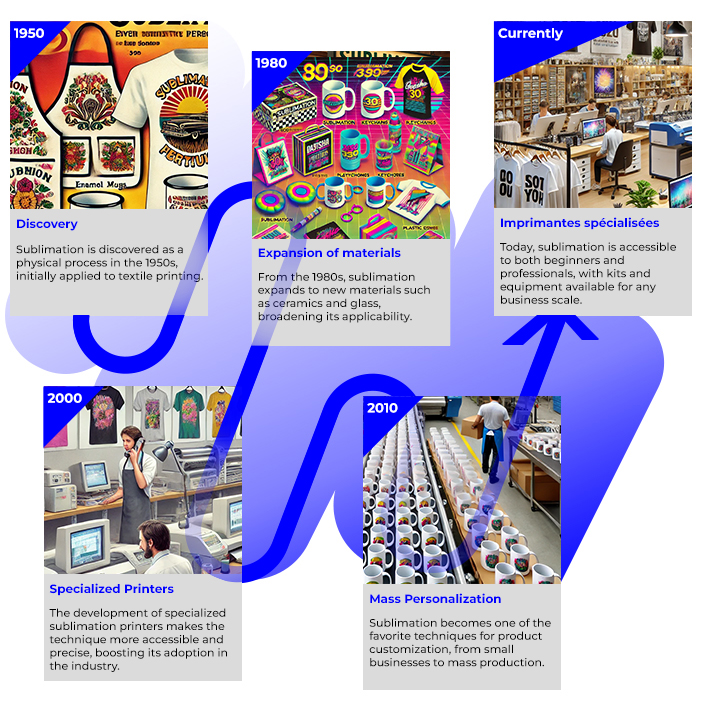
Sublimation has come a long way and today it is one of the essential techniques for product customization. Its origin dates back to the 1950s, when it was discovered that some dyes could change directly from solid to gas without becoming liquid—a phenomenon known as sublimation. This discovery opened a new chapter in the world of printing.

However, it wasn’t until the 1980s that sublimation started gaining wider use in the industry. In its early applications, sublimation printing was limited to textiles and specific materials. But thanks to ongoing material development, the technique evolved to allow customization of a wide variety of products such as t-shirts, mugs, bottles, keychains, metal plates, and more.

With the arrival of digital technology in the late 20th century, sublimation customization experienced a remarkable breakthrough. Sublimation printers greatly improved in both quality and speed, making it easier to create complex and detailed designs on various products. Additionally, the rest of the equipment and consumables—like heat presses, specialized software, sublimation inks, and paper—have also evolved with the advances in this technique.

Today, sublimation remains a leading technique in printing and continues to improve. Its popularity in the sector is due to:

  • Low initial investment
  • Easy to learn
  • Low maintenance
  • High-quality, durable, and high-definition prints
  • Wide variety of sublimation products
  • Short- to medium-term profitability

Nowadays, the impact of sublimation extends from small entrepreneurs to large companies that produce on a large scale. The versatility and profitability of this technique attract both beginners and established businesses, helping them diversify their range of personalized products.

If you're just starting out, you'll find many sublimation packs designed to help you start or grow your business. With the right tools and knowledge, sublimation becomes a profitable and sustainable option for those looking to enter the customization market.

Evolution of Sublimation: From Technical Origins to Modern Product Personalisation

Evolution of the sublimation technique from its origins to its modern application in personalized products
From traditional screen printing to digital sublimation: an evolution that transformed personalisation.

2. Applications of Sublimation

Sublimation printing is an extremely versatile technique that allows for the personalisation of a wide range of products. However, not all surfaces are suitable. Items must contain at least 80–90% polyester or be coated with a special polyester sublimation layer.

Visit our sublimation blanks section to browse a variety of sublimation-ready items, each labelled with compatible techniques.

Sublimatable products can be made of fabric, wood, metal, plastic, ceramic and more. The key is the presence of a polyester coating, which allows the ink to bond during the heat transfer.

Below, we explore how sublimation works with each type of material and its most popular applications.

Sublimation on textiles

Sublimation on textiles

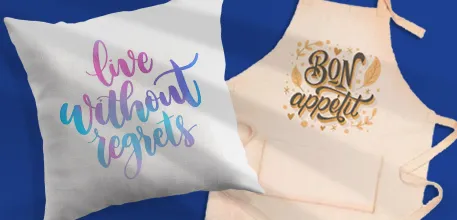
Sublimating t-shirts is one of the most popular applications in textile customisation. Sublimation ink adheres easily to polyester fabrics, which makes polyester garments or synthetic blends ideal for this process. The main advantage is that the design does not fade or crack over time, as the ink integrates into the fibres of the fabric.

Sublimation on synthetic leather

Sublimation on synthetic leather

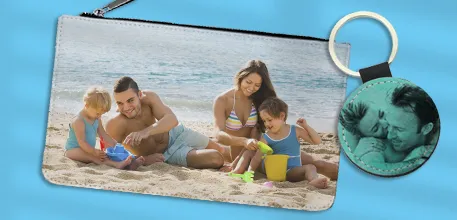
Sublimation on synthetic leather or faux leather is an increasingly popular option for customizing premium products. Unlike real leather, which is not compatible with sublimation, synthetic leather has a coated surface that allows the ink to adhere and prevents fading over time.

  • Common applications: electronic device cases, wallets and purses, fashion accessories, notebooks, planners, and personalized keychains. See more products.
  • Recommended equipment:
  • Perfect for events:
    • Promotional
    • Mother’s and Father’s Day
    • Christmas
Metal sublimation

Metal sublimation

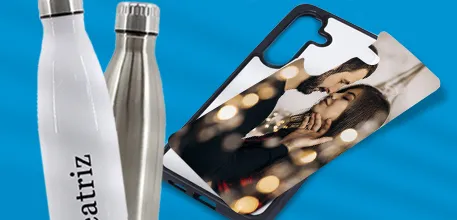
Metal sublimation is used to create bottles, thermoses, plaques, keyrings, photo panels, medals, and other promotional items with high visual impact. The metal must have a polyester coating to ensure the print adheres. This technique is highly valued for its sharpness and durability, making the products very eye-catching.

Ceramic sublimation

Ceramic sublimation

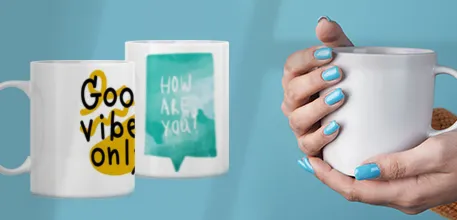
Customising products such as tiles, money boxes and different types of mugs through sublimation is perfect for gifts or promotional items. To sublimate on ceramic, you first need a special coating that allows the sublimation ink to adhere properly to the surface. The prints are long-lasting and resist frequent washing without fading.

Glass sublimation

Glass sublimation

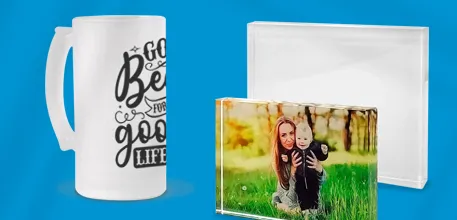
Although less common than other materials, glass sublimation is ideal for creating personalised products like photo frames, decorations, glasses and mugs, and other promotional items. Glass requires a special coating for the sublimation ink to adhere properly. The results are visually stunning, as sublimation provides vibrant colours and a glossy finish that enhances the glass's transparency.

Wood sublimation

Wood sublimation

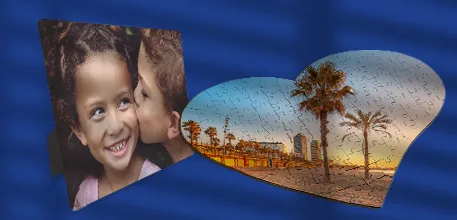
Wood sublimation requires the material to have a special coating prepared for sublimation, as natural wood is not compatible with the process. This type of customization is ideal for puzzles, photo frames, wall clocks and other decorative items. The results offer a smooth and high-quality finish that enhances the natural grain of the wood.

Each material offers unique opportunities to customize products with durable, high-quality finishes, perfect for gifts, promotional items, or commercial personalization projects.

3. Sublimation Process

Sublimation is a unique and precise technique that allows for the permanent transfer of images onto various objects using heat and pressure. The process consists of several stages that must be properly executed to achieve the best results. Below, we explain each of them:

Stages of the sublimation process

  1. Design preparation: the first step is selecting the design to be printed and editing it using software like Photoshop, Illustrator, etc. Adjusting size and colors is important to ensure proper printing.
    • Printing must be done in mirror mode since the transfer paper is usually placed frontally on the object. This ensures that the image is correctly oriented once sublimated.
    • Using ICC color profiles for sublimation is essential to ensure the colors match the original design as closely as possible.
  2. Printing the design on sublimation paper: a sublimation printer or a printer compatible with sublimation inks must be used. Special paper helps transfer the image clearly and vividly onto the product.
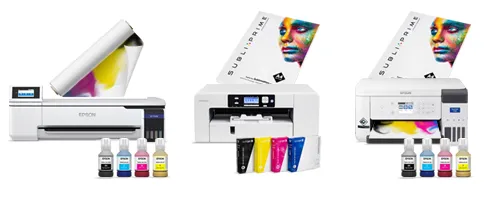
    • Printers: we recommend using a dedicated sublimation printer, such as the Epson SureColor F100 for small projects, or the Epson SureColor F500 for large format production. Both provide high quality and a 1-year warranty. The printer quality impacts both the design definition and the durability of the final product.
    • Paper and inks: both consumables are key to achieving optimal print results with vibrant colors.
  3. Preparing the object: as mentioned earlier, items must be pre-treated for sublimation. For textiles, ensure they contain at least 80-90% polyester and can withstand up to 200ºC. Items should be clean and free from dust or grease.
  1. Heat transfer: place the printed design (ink side facing the object) and apply heat and pressure with a heat press. Time and temperature vary depending on the material.
    • To check the recommended values for time and temperature, consult the "How to sublimate?" section on the product page or visit the Personalization Information page.
    • Common errors: insufficient pressure or incorrect temperatures can lead to faded or uneven prints. Low pressure may also result in blurred images.
  2. Removing the paper: once cooled, carefully remove the paper to reveal the sublimated image. Heat turns the ink into gas, penetrating the surface for a permanent transfer.
  3. Final product review: always check the finished product to ensure the design is fully transferred and the colors are vibrant and even.

Sublimation tips and troubleshooting

  • Make sure to calibrate the heat press properly to avoid common issues like faded or uneven transfers.
  • If you notice stains or imperfections, ensure the item was clean and free of dust or grease before starting.

4. Advantages and limitations of sublimation

Sublimation offers numerous advantages such as durability, wash resistance, and the possibility of producing small runs without significantly increasing costs. However, the main limitation is that it can only be applied to white objects made from specific materials. When using dark-colored items, it is advisable to use highly contrasted or black images.

Advantages of Sublimation

  • Low initial investment: this technique requires the lowest investment compared to other methods. Nowadays, you can get a setup for between €500 and €800. Check out all our starter packs with either mug presses or flat presses.
  • Superior print quality: sublimation produces images with sharp, high-resolution colors, ensuring a photographic finish on the products. This technique is ideal for complex and detailed designs that require accurate color fidelity.
  • Durability: sublimated products have superior resistance compared to other printing methods. Since the ink bonds directly with the fibers of the material, it does not wear off over time, unlike techniques such as vinyl or screen printing, which can deteriorate with use and washing.
  • Material versatility: although sublimation is mainly used on polyester products, it is also possible to sublimate ceramic, stainless steel, wood, synthetic leather or plastic products, as long as they have a polyester coating. All these sublimatable products are available in our catalog.
  • Efficiency in short runs: unlike other printing methods that require high initial costs or extensive preparation, sublimation is ideal for small productions or one-off pieces. This makes it a highly profitable option for beginners or for customized product personalization.
  • Reduced environmental impact: compared to other printing techniques, sublimation uses water-based inks that are less harmful to the environment, reducing the use of chemicals and solvents.

Limitations of Sublimation

  • Product limitation: sublimation requires items and garments specifically prepared for this technique. These products, available in specialized stores, are designed to withstand the high temperatures and pressures of the sublimation process.
  • Color of sublimation blanks: as with materials, the color of the products is also a limitation. Since the ink is transferred onto the object and fully fused, the product's color affects the final result. This can be advantageous for durability, but it is recommended to use white products. If using colored products, high-contrast or black designs are advised.
  • Indirect printing: in sublimation, the image is first printed onto special transfer paper and then transferred to the product using heat and pressure. While this ensures high-quality results, it can be more complex and less immediate compared to other techniques like direct UV printing.

5. Comparison between sublimation and other customization techniques

There are various techniques for product customization, each with its own characteristics. Comparing sublimation with other methods such as DTF, laser engraving, UV-DTF, and screen printing involves evaluating key factors such as print quality, compatible materials, costs, and durability.

Print quality: Sublimation stands out for its vibrant and long-lasting colors, but it only works on light surfaces and specially coated materials (such as polyester textiles). On the other hand, DTF allows printing on fabrics of any color, as it uses a white ink base. However, sublimation offers greater sharpness in terms of definition and color depth.

Material application: Sublimation is limited to surfaces with a special coating (e.g., polyester or varnished ceramics), whereas DTF is more versatile for textile applications, including cotton and fabric blends.

Durability: Both methods offer good durability, but sublimated products tend to better withstand wear over time, while DTF may wear out faster with multiple washes.

Customization quality: While sublimation relies on full-color image printing, laser engraving specializes in creating detailed embossed designs by engraving directly onto hard surfaces such as metal, glass, leather, or wood.

Material application: Laser engraving is much more versatile in terms of materials, as it can engrave surfaces that sublimation cannot, such as uncoated metal or natural leather. However, engraving is monochromatic, which limits the ability to work with complex or multicolored images.

Durability: Engraved products are usually extremely durable, as the laser permanently alters the material's surface. In contrast, sublimation may suffer wear over time if the product does not have adequate protection.

Print quality: The UV-DTF technique (Direct to Film with UV curing) is especially suitable for printing on non-porous surfaces like glass, plastic, or metal, using UV inks that cure instantly under ultraviolet light. Sublimation, on the other hand, offers deeper colors on porous materials such as textiles or coated ceramics.

Material application: Sublimation focuses on coated products to ensure proper ink adhesion, whereas UV-DTF is a versatile option for customizing rigid objects without requiring a special coating.

Durability: Both techniques offer durability, but UV-DTF is particularly resistant to external conditions such as UV rays and water exposure, making it suitable for outdoor products.

Print quality: Screen printing is ideal for simple and large designs, particularly on textiles like cotton, although it does not offer the same precision or color range as sublimation. However, it is more cost-effective for large batches of repetitive products.

Material application: Screen printing can be applied to a variety of materials such as textiles, wood, plastic, and metal, although its durability and quality results may vary depending on the material.

Costs: For large print runs, screen printing is more economical than sublimation, as the latter involves higher initial costs for specific materials and equipment.

Print quality: Sublimation embeds the image into the fabric fibers, while heat transfer vinyl (HTV) is applied on the surface of the garment in the form of cut-out sheets. Although vinyl offers solid colors and a smooth finish, it cannot replicate the precision or color range of sublimation for complex designs. However, it is excellent for simple logos, geometric shapes, and text.

Material application: HTV is ideal for cotton garments and polyester blends, whereas sublimation can only be applied to materials with high polyester content. Vinyl can also be used on dark surfaces, unlike sublimation.

Durability: HTV is fairly durable, but over time it can crack or peel, especially after many washes. In contrast, sublimation offers greater durability as the design becomes part of the material fibers, preventing wear and fading.

Costs: HTV is generally more affordable in terms of initial equipment, but it requires a cutting plotter and a heat press. It is a popular option for small runs or quick personalization, although it lacks the same efficiency as sublimation for large-scale production.

TechniquePrint QualityCompatible MaterialsDurabilityPrinting CostsIdeal for
SublimationVibrant and high-resolution colors. White or light-colored productsTextiles (polyester). Rigid items like ceramics, metals, wood, cardboard, plastic, synthetic leathers, etc., as long as they have a special sublimation coatingVery high, especially on textilesMediumShort runs and small to medium businesses
DTFGood quality on garments of any color. Does not support very fine linesAll types of fabrics, although sensitive to elastic materialsGood, but may wear out faster with frequent washingLowMedium to large runs and experienced businesses
Laser EngravingMonochrome, but with precise engraving detailsSurfaces like metals, glass, leather, wood, fabrics, etc.Very high, permanent alteration of the materialVery lowShort runs and small to medium businesses
UV-DTFBright colors on surfaces of any color. Designs are usually coated with varnish. Does not support very fine linesRigid surfaces like glass, plastic, metals, ceramics, etc.Good resistance to UV rays and waterMediumLarge runs and small to medium businesses
Screen PrintingSuitable for large areas of solid color, less precise on complex detailsTextiles (cotton, polyester), wood, plastic, metalGood, depending on the material; may fade over timeLowLong runs and experienced businesses
Heat Transfer VinylSolid colors, not suitable for fine details or complex imagesAll types of fabrics, although sensitive to elastic materialsGood, may crack or peel over timeMedium, high handling costShort runs and small to medium businesses

6. Best Products for Sublimation

Sublimation is an extremely versatile technique that allows for the customization of a wide range of products. Using a sublimation printer and a heat press, you can create various types of items. It is an excellent option for both small and medium-sized businesses looking to offer unique and highly appealing products. Below is a catalog of the best products for sublimation, with a brief explanation.

Sublimated mugs and containers
Mugs
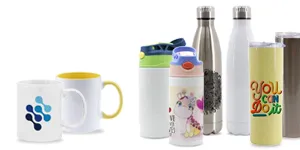
Undoubtedly one of the most popular sublimation products, sublimated mugs stand out for their wash resistance and long-lasting durability, even with daily use, making them perfect for promotional gifts or personal use.
Bottles and canteens
Aluminum or stainless steel bottles and flasks customized by sublimation are not only reusable and sustainable, but also allow for vibrant designs that do not fade over time.
Glasses and lunch boxes
Glasses and lunch boxes customized with sublimation are perfect for everyday use, standing out for their durability and ability to maintain vibrant colors even after frequent use.
 Textiles for sublimation
T-shirts
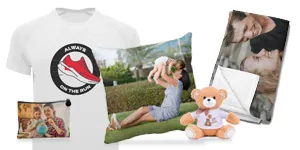
100% polyester t-shirts are the most commonly used for sublimation, as they allow for vibrant and long-lasting colors. Thanks to the ink being embedded into the polyester fibers, the colors remain bright and vivid even after many washes. They are ideal for personalized clothing, workwear, and events.
Cushions and fillings
Sublimated cushions offer a large printing area for personalized designs. Like all polyester products, they are highly resistant to daily use, preserving the color quality. Combined with their filling, they make an attractive product both for home décor and as a gift.
Towels and blankets
Sublimation on towels and blankets offers large-format personalization, ideal for gifts, promotions, or event souvenirs.
Bags and backpacks
These everyday-use products allow for high exposure of personalized designs, ensuring the items receive attention in any environment.
Bibs, aprons and mittens
For home items and baby products, sublimation is ideal, as these products require detailed and long-lasting personalizations that can withstand constant use.
 Personalized games and sports
Puzzles
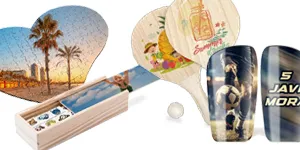
Custom puzzles are an excellent choice for both gifts and promotional products. They offer a large printing surface for photos or logos, combining entertainment with visual personalization.
Shin guards and stuffed animals
Sublimated shin guards are ideal for customizing sports equipment, while plush toys with sublimated t-shirts make perfect gifts for children and special events.
Board and educational games
These products are easy to sublimate, allowing you to create personalized sets for both family and educational use.
 Sublimation accessories
Wallets, purses and keychains
Sublimating these products creates unique and personalized accessories, perfect as gifts or promotional items. The durability of the designs ensures the items remain attractive and long-lasting.
Caps
Sublimated caps are very popular for promotions and merchandising, offering the ability to print logos and complex designs with great precision.
Cases and covers
Phone cases and laptop sleeves are highly demanded products due to their functionality and the ability to apply unique designs that stand out for their durability.
 Sublimation for home decoration
Tablecloths and coasters
These products allow for detailed customizations that withstand daily wear, making them perfect for both home use and businesses.
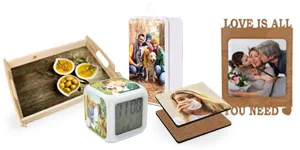
Boxes, clocks and piggy banks
Sublimation on boxes, clocks or piggy banks allows for the creation of exclusive decorative pieces with a high-quality finish.
Trays and tablecloths
With sublimation, these home products can be customized with exclusive patterns and designs, making them ideal for special events or as gifts.
 Personalized photo decoration with sublimation
Photo frame
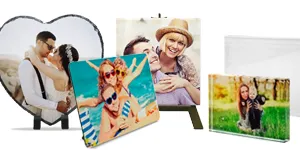
Thanks to the versatility of sublimation, it is possible to create photo frames from a wide variety of materials: aluminum, acrylic, glass, wood, metals, slate, plastic, and more.
Photographic panels
Sublimation allows the creation of high-quality, long-lasting photo prints, perfect for home decoration or commemorative gifts.
Ceramic tiles
Sublimated tiles are ideal for creating custom mosaics or decorative accents. Their glossy finish and high resolution make them stand out in any setting.

7. How much does sublimation cost?

Sublimation is one of the businesses with the lowest initial investment, ranging between €500 and €800 depending on the heat press and features. Understanding the costs associated with product customization through sublimation is crucial for effective planning and for making informed decisions about your investment. From the initial equipment costs to maintenance and operational expenses, having a clear budget will help you manage your business efficiently and maximize your profits.

Below, we break down the costs associated with sublimation at different scales to help you better understand the required budget.

Initial costs

  • Sublimation printer bundles: include the printer and all necessary consumables to start personalizing right away (sublimation inks, special paper, and additional tools). Prices range from €250 to €2000 depending on capacity and features. Here are some options:
    • The Epson SureColor SC-F100 Printer Pack is perfect for those starting out in sublimation. It offers a low initial cost and ease of use, ideal for small projects and personalizing mugs and textiles.
    • The Sawgrass Virtuoso SG1000 Pack delivers superior quality and is compatible with CreativeStudio, allowing you to create photo-quality prints. Ideal for those looking to grow their sublimation business.
    • The Epson SureColor SC-F500 Printer Pack is ideal for more advanced production. This machine enables printing on larger products, with a print width of up to 60 cm.
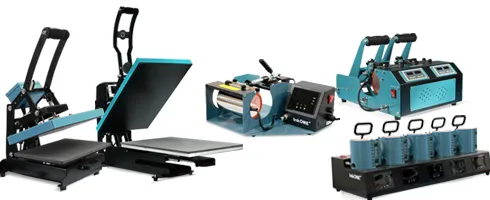
  • Flat heat presses: the cost depends on several factors, the most important being the plate size and the temperature and time settings, as well as whether the opening is automatic or manual. Prices range from approximately €250 to €800 depending on the size, such as the InkOne flat presses.
  • Mug presses: the cost will depend on the versatility of the machine. A basic mug press may cost around €180 — for example, our InkOne M1 for personalizing 11–15 oz mugs is an affordable option ideal for beginners. Other machines costing around €400 allow you to personalize various mugs, cups, and bottles of different sizes and shapes, such as the 6-in-1 InkOne M2. There are also presses designed for high-volume production, like the 5-in-1 InkOne M5, which lets you sublimate 5 mugs at once.
  • Specialty presses: there are specific presses for uniquely shaped products such as shin guards or caps. In these cases, the cost will again depend on the size and features of the machine.
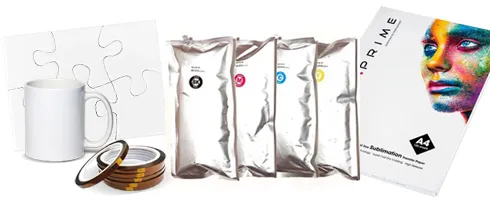
  • Transfer paper: between €5 - €100 per pack, depending on quantity and size.
  • Sublimation inks: a set of inks can cost between €50 - €200 depending on the amount and format (some printers use ink cartridges, others use refillable tanks).
  • Items for sublimation: prices vary depending on the type of blank products you want to work with.

Maintenance costs

  • Spare parts and consumables: in addition to ink cartridges and transfer paper, which need to be replaced regularly, there are other supplies such as heat-resistant tape, silicone paper, etc. The cost will largely depend on the production volume.
  • Equipment maintenance: preventive maintenance and repair services should be considered from the beginning, but will also vary depending on usage and maintenance frequency.
  • Operating costs: expenses such as electricity and other supplies usually vary depending on the workload.

Complete Equipment Pack

Choosing a full sublimation printing pack offers many advantages, both for starting out and expanding your business. These packs include everything you need to get started, simplifying setup and ensuring compatibility between all equipment and consumables. Moreover, buying a pack is always more economical than purchasing each item separately.

  • Small Scale: if you're starting in the sublimation business, an initial investment of between €450 and €650 will allow you to personalize mugs with a basic pack including printer, paper, inks, heat press, starter materials, and mugs ready to sublimate.
  • Medium Scale: if your business is growing, a budget of between €750 and €1400 gives access to higher-capacity printers and additional equipment. For that price, you can get a printer pack (with paper and inks) and a flat heat press, which lets you personalize more than 60 products: T-shirts, cushions, games, puzzles, wallets, pouches, mousepads, keychains, towels, photo frames, tiles, calendars, and many more.
  • Large Scale: businesses with high demand can invest between €2000 and €4000 in advanced equipment that enables large-format printing and includes features to maximize productivity, reduce costs, and save production time.

8. Conclusion

Sublimation has become one of the most popular and efficient techniques for product customization. Its ability to deliver high-quality prints with vibrant, long-lasting colors makes it an attractive option for both entrepreneurs and large companies.

Benefits of Sublimation in Product Customization

  • Profitability: sublimation is a cost-effective and profitable personalization technique in the long term. Although the initial investment in equipment may be moderate, material costs are relatively low, allowing for attractive profit margins.
  • Versatility: sublimation can be applied to a wide range of materials, from textiles to rigid products such as ceramics and metal, offering multiple customization options. This allows businesses to offer a diverse range of personalized products for various audiences.
  • Quality and Durability: sublimation prints are highly durable, with vibrant colors that resist fading, even after prolonged use. Designs won’t peel or wear off, ensuring customer satisfaction and product longevity.

Why Choose Sublimation

Choosing sublimation as a customization method allows you to stand out in a competitive market. It continues to grow in popularity due to its ability to create high-quality, unique products at competitive prices that appeal to both small and large businesses. Whether you’re starting a new project or expanding an existing business, sublimation offers an effective and adaptable solution for various products and clients.

Ready to take the next step?

Explore our complete range of sublimation products and see how this equipment can help take your customization business to the next level. From high-quality printers to heat presses and full kits, you’ll find everything you need to start or grow your sublimation business.

View Sublimation Products

Have questions or need personalized advice? Our sales team is here to help you find the perfect solution for your customization needs.

Contact Us

Product added to wishlist
Product added to compare.